
Best Creatine Supplements in 2026: Top Picks for Muscle Growth & Performance
You don’t need a fancy formula to find the best creatine supplements in 2026. Plain creatine monohydrate beats every other form, and Thorne Creatine is your best overall pick. If you’re watching your budget, Nutricost runs just $0.22–$0.25 per 5g serving. Optimum Nutrition’s micronized powder mixes easily, and ConsumerLab recognizes it. Always look for third-party testing, like NSF Certified for Sport or Informed-Sport. Stick with 3 to 5g of creatine daily. New to creatine? Start with our beginner’s guide to what creatine is. Keep going, and you’ll uncover which pick fits your goals, your workouts, and your wallet.
Key Takeaways
- Creatine monohydrate ranks highest because it is the most researched form, linked to better strength, power, and muscle growth.
- Top-ranked picks include Thorne Creatine, Optimum Nutrition Micronized, Sports Research, Naked Creatine, and Orgain, chosen for simple, minimal-additive formulas.
- Naked Nutrition, Nutricost, Double Wood, and Bulk Supplements offer the best value, costing roughly $0.14–$0.28 per serving.
- Choose products with third-party testing, such as NSF Certified for Sport or Informed-Sport, to verify potency and screen contaminants.
- A standard 3–5g daily dose is safe for healthy adults; people with kidney disease should consult a doctor first.
- Most creatine monohydrate is made synthetically, so it is usually vegan-friendly, but gummies and capsules can contain gelatin, so check the label.
Best Creatine Supplements of 2026, Ranked
Creatine monohydrate is still the smartest buy in 2026, and the best products prove it by keeping things simple. Demand shows how many people are shopping right now: SmartScout reports that Amazon creatine sales grew 90% year over year in the 12 months through August 2026, which means a crowded shelf and a lot of marketing to sort through.
ConsumerLab tested 11 creatine supplements this year for creatine content and degradation into creatinine, so you’re getting label accuracy, purity, and storage stability data instead of marketing claims.
Start with Thorne Creatine, which Men’s Health named its best overall pick and ConsumerLab highlighted. Optimum Nutrition Micronized Creatine Powder, Sports Research, Naked Creatine, Nutricost, Momentous, and Orgain also earned ConsumerLab’s attention, and you’ll find they’re mostly plain powders with minimal additives. For a closer look at how the monohydrate-only options stack up, see our ranking of the best creatine monohydrate supplements.
If you’d rather swallow capsules, Life Extension Creatine Capsules made ConsumerLab’s review.
Other lists differ: Garage Gym Reviews ranked Transparent Labs Creatine HMB first, and The Independent chose Myprotein Impact Creatine. Still, you should treat HMB blends as secondary, since research favors monohydrate as the benchmark.
Prioritize tested purity, accurate dosing, and value per 5 g serving of monohydrate. Cost for 5 grams of creatine monohydrate ranges from 13 cents to $1.85, so comparing price per serving can save you real money.
Top Creatine Picks at a Glance
Best Overall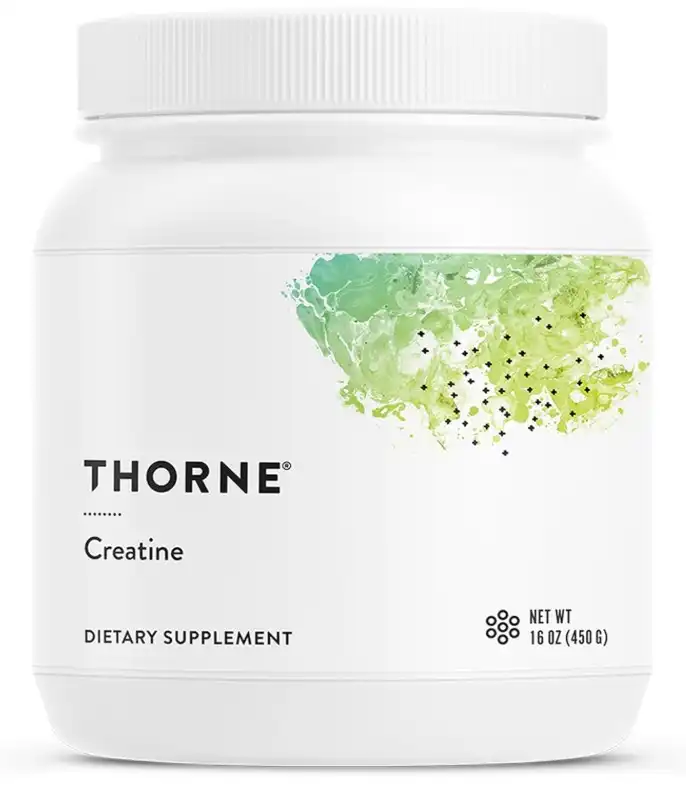
Best Value
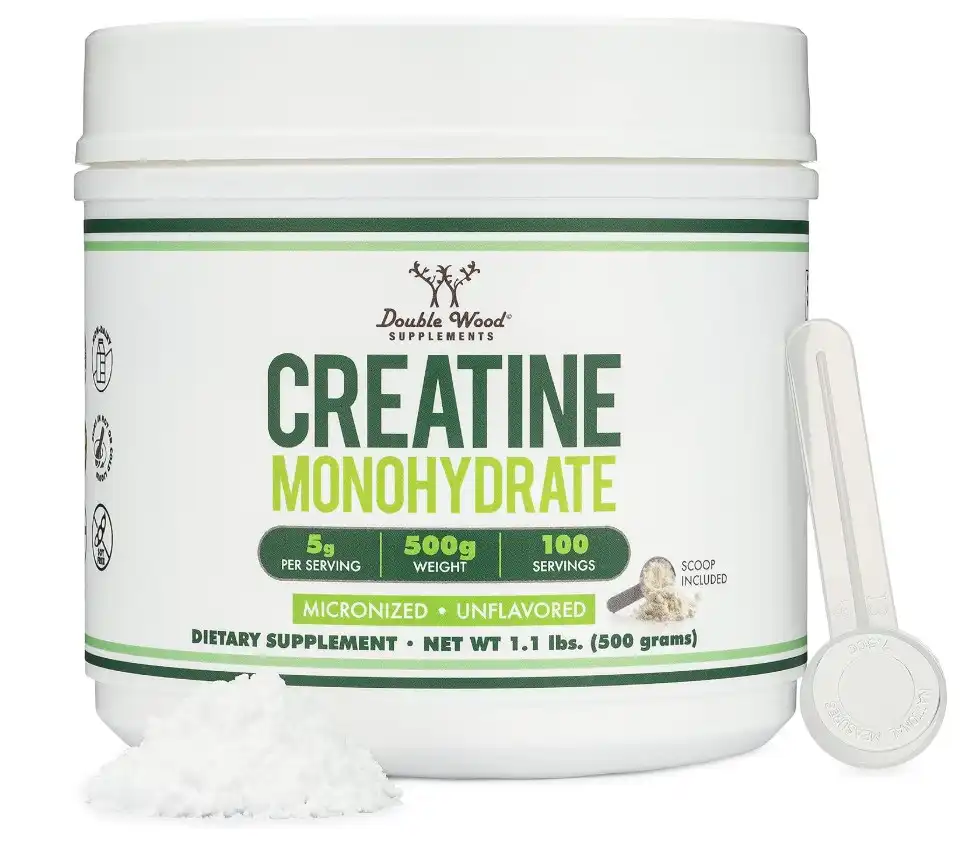
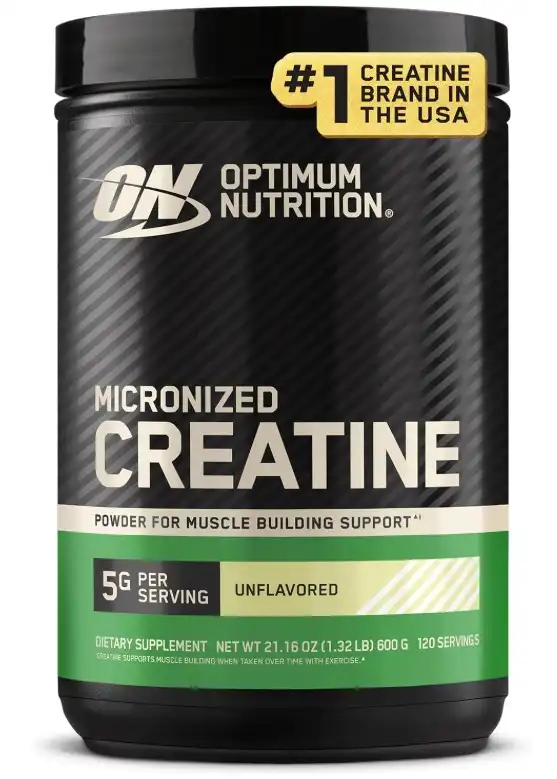
Prices change often and vary by retailer, so treat these as a guide and check the current price per 5 g serving before you buy.
Best Overall Creatine for Most Lifters
Why Thorne Creatine Wins
Thorne Creatine is the best overall pick for most lifters, and you can see why in how often it wins. Men’s Health and Good Housekeeping both name it their top choice in 2026 testing roundups, and it’s a simple creatine monohydrate powder built for athletes and lifters.
You don’t need anything fancier. Creatine monohydrate is the most researched form, so a single-ingredient powder is your safest default. Look for third-party testing, because quality reviews found meaningful differences in creatine content and degradation risk between products. Thorne is also NSF Certified for Sport, which indicates third-party testing for safety.
Skip the fancy blends: single-ingredient creatine monohydrate is the most researched form, and third-party testing separates good products from risky ones.
ConsumerLab tested 11 creatine supplements, and not every one passed. Thorne’s 5 g daily serving matches the standard maintenance dose that many top-reviewed products use. Expect easy mixability, neutral flavor, and no fillers or additives.
When to Pick Something Else
Transparent Labs Creatine HMB also wins plenty of lists, including Forbes and Garage Gym Reviews, if you want an added performance ingredient. Otherwise, stick with Thorne’s proven, straightforward monohydrate formula, and switch to a cheaper tested brand if cost per serving matters more than the premium label.
Best Value Creatine Per Serving
Budget Brands Compared
Nutricost Creatine Monohydrate is the best value pick among widely available brands. You’ll pay about $0.22–$0.25 per serving, and one roundup lists 100 servings for $23.37. The simple monohydrate formula keeps costs down. Naked Nutrition can undercut it at $0.14 per serving on autoship ($0.17 one-time), so compare current prices.
Double Wood delivers 100 servings of micronized monohydrate at 5 g each. Sports Research costs a little more, but it includes Informed Sport third-party testing. Wellah Creatine costs about $0.29 per serving, but its 3 g dose sits at the low end of the usual 3–5 g range, so larger lifters may want a second scoop.
Bulk Buying for Long-Term Savings
Bulk Supplements swings with package size. You’ll pay about $0.75 per serving for a small package, but only about $0.26 with an 11-lb bag. That makes it your best bulk-buy option for long-term use, because daily consistency delivers results, and a big bag keeps you stocked.
Brands to Skip if Price Matters
Skip mainstream brands if you’re chasing price. Optimum Nutrition runs around $0.66 per serving, and Vitamin Shop’s micronized creatine costs $0.46–$0.47. House-brand and bulk monohydrate almost always win on cost overall.
Best Micronized Creatine for Easy Mixing
Why Micronized Creatine Mixes Better
If you want a powder that blends without a fight, Thorne Creatine is the best micronized pick for easy mixing. Each 5-gram scoop delivers micronized creatine monohydrate that doesn’t clump in coffee, water, juice, or shakes.
Thorne Creatine is the easiest micronized powder to mix, dissolving smoothly in coffee, water, juice, or shakes without clumping.
Optimum Nutrition Micronized Creatine Powder runs a close second, and reviewers repeatedly praise its easy dissolving and reliability. 1st Phorm Micronized Creatine Monohydrate is another option, with 5 grams per serving and NSF certification for sport, though some reports mention a gritty texture.
Tips for Smooth Mixing
Get the smoothest results with these habits:
- Use warm liquids like coffee, where one review noted near-perfect solubility.
- Mix the scoop into a small amount of room-temperature liquid first, swirl, then top off.
- Blend it into a shake or smoothie for the smoothest drink, or stir it into your pre-workout.
Don’t expect total invisibility. Cold water can leave minor sediment, even with micronized powder, so treat “fully dissolves” claims skeptically.
Micronized creatine is still creatine monohydrate; the fine particles improve dispersion, smooth the texture, and reduce clumps. Stick with unflavored, single-ingredient formulas, and keep servings within the standard 3 to 5 grams.
Types of Creatine Supplements Explained
Creatine comes in several formats, and the front-of-the-tub label rarely tells you which one is worth your money. Here is how the main types compare.
Powder, Capsules, and Gummies Compared
Creatine Powder
Powder is the default for good reason. It’s the cheapest per gram, easy to dose, and the format most research used. Mix it into water, juice, coffee, or a protein shake.
Creatine Capsules
Capsules skip the scoop and the shaker, which suits travel and busy mornings. The trade-off is that you often need several capsules to reach 3 to 5 g, and the price per serving rises.
Creatine Gummies
Gummies are the most convenient and the most expensive, typically $1.16 to $3 per serving. Most hold only 1 to 2 g each, and independent testing has found products that contained little or none of the labeled creatine. See our full breakdown of creatine gummies vs powder before you choose.
Creatine HCl, Buffered, and Other Forms
Hydrochloride, buffered, and ethyl ester versions promise better absorption, yet none has beaten monohydrate in head-to-head research. Our guide to creatine monohydrate vs HCl covers the evidence.
Which Form Should You Buy?
For nearly everyone, plain creatine monohydrate powder is the answer. Choose capsules if you hate mixing, and choose gummies only if you accept the higher cost and verify the creatine per serving and the third-party testing.
Why Monohydrate Beats Creatine HCl and Gummies
Creatine monohydrate is the most studied form of creatine, and the International Society of Sports Nutrition calls it the most effective supplement for high-intensity exercise capacity and lean body mass.
Creatine HCl lacks that backing, since you won’t find evidence it beats monohydrate for muscle uptake or performance.
Gummies aren’t a stronger form of creatine either, and they can create dosing and quality-control problems that powder usually avoids. Their main appeal is convenience for people who don’t want to mix powder.
Monohydrate’s Research Advantage
When you compare creatine forms, monohydrate wins on evidence alone. The ISSN calls it the most extensively studied form and the most effective ergogenic supplement for high-intensity performance and lean body mass. Researchers use it as the reference standard, so you won’t find that level of evidence for HCl or gummies.
Here’s what the research backs:
- Performance: Trials consistently show better strength, power, and hypertrophy when paired with resistance training.
- Safety: The ISSN found no detrimental effects at up to 30 g/day for five years in healthy people, and a 2026 adolescent review found it well tolerated.
- Beyond muscle: Studies link it to better memory, lower muscle-damage markers, and benefits for bone and lean mass in postmenopausal women.
You’re choosing the option with proof, not promises.
HCl and Gummies Limitations
Although creatine HCl and gummies get plenty of marketing attention, neither has the evidence or the reliability to displace monohydrate.
No peer-reviewed head-to-head trial shows HCl outperforming monohydrate at equal creatine doses, and the few HCl studies you’ll find are small and rarely replicated.
Marketers push 1 to 1.5 g “micro-doses,” but total daily creatine matters more than the form, and standard research uses 3 to 5 g.
HCl also contains less creatine by mass and usually costs more per gram of actual creatine, so you’re paying extra for unproven benefits.
NOW’s 2024 testing reportedly found 40 to 50% of 12 popular gummy brands had little to no creatine, because heat, acid, and moisture can convert it to creatinine.
Many are underdosed, so you may need several pieces daily.
Benefits of Creatine Supplements
Creatine is one of the few supplements with solid evidence. Your body makes some from the amino acids glycine, arginine, and methionine, stores most of it in muscle, and uses it to regenerate ATP, the quick energy behind short, intense efforts. Supplementing tops up those stores. For the full picture, see our guide to creatine benefits for your body.
Strength, Power, and Muscle Gains
The clearest benefit is better performance in heavy lifting, sprinting, and other explosive work. When you pair creatine with resistance training, you can train harder, add reps, and see modest lean-mass gains over time. It supports your fitness goals, but it doesn’t replace training, and results are modest rather than dramatic.
Energy and Muscle Recovery
Because creatine helps regenerate ATP, you may maintain your pace through repeated sets and recover faster between workouts. That’s about training energy, not a stimulant effect like caffeine. If you’re curious about the difference, read whether creatine gives you energy.
Brain Health and Focus
Early research also links creatine to modest improvements in memory, attention, and processing speed, especially under stress or sleep loss. This evidence is promising but less established than the muscle benefits, so don’t buy creatine for focus alone.
How We Ranked These Creatine Supplements
We did not run our own lab tests. We ranked each creatine supplement using independent testing from ConsumerLab and other published reviews, plus five core factors: form, dose, ingredient simplicity, price per serving, and label clarity. Creatine monohydrate scored highest because it’s the most researched form, and we favored 3 g to 5 g servings, treating 5 g as the benchmark.
Then we checked quality and usability:
- Quality: We looked for independent testing, label-matching potency, and heavy metal screening.
- Usability: We rated mixability, taste, texture, and side effects, since you’ll only take a supplement you tolerate.
- Fit: We matched formats to your needs, favoring powders for value and capsules or gummies for convenience.
We combined these scores into one multi-factor ranking. Products that missed minimum standards for purity, dose, or formula simplicity dropped down or didn’t make the list.
Novelty formats lost points when they added complexity without a clear performance advantage. Each pick suits strength-training beginners, budget shoppers, or anyone wanting clinically familiar dosing.
Why Third-Party Tested Creatine Matters
Creatine is a simple, single-ingredient supplement, but you can’t assume the tub in your hands is accurate or clean.
Mislabeled doses and contamination can slip in during sourcing, manufacturing, or packaging, and independent testing checks the label’s claims, screens for contaminants, and, in NSF’s case, screens for banned substances.
Below, you’ll learn what that verification covers and which certifications, like NSF Certified for Sport, are worth looking for.
Mislabeling and Contamination Risks
Two quality problems show up repeatedly in creatine testing: degradation and mislabeling. You can’t spot either one by looking at a tub, so it helps to know what testers have found.
- Degradation: Independent testing found creatinine, a creatine breakdown product, above 100 mg/kg in 44% of samples. One product in a 2026 review failed for excess creatinine.
- Manufacturing impurities: About 15% of samples contained dicyandiamide above 50 mg/kg.
- Undeclared substances: Anti-doping labs have found steroids and prohormones in products sold as creatine, and cross-contamination can happen when facilities share equipment.
Most creatine monohydrate products match their labels.
Still, you’re gambling when a product lacks independent verification, because a tub can contain creatine and still deliver contaminants or less active ingredient than the label claims.
What Independent Testing Verifies
When you buy a creatine tub with no independent testing, you’re relying on the brand’s word alone. Independent labs test specific lots, and a certificate of analysis shows what they found.
Look for a named lab, a lot number, and real figures for creatine potency and creatinine. HPLC measures creatine and impurities like creatinine, dicyandiamide, and dihydrotriazine.
USP-related specs call for creatine at 99.9% of the claimed amount, with creatinine capped at 0.1%.
ICP-MS screening checks arsenic, cadmium, lead, and mercury, with results in ppm or mg/kg, not vague claims like “clean.” Some programs also test for microbes, solvents, and pesticides, so check which contaminants they tested and which they didn’t.
Always prefer finished-product testing over ingredient-only testing, because you consume the final supplement.
Trusted Certifications to Look For
How do you know a creatine tub contains what the label claims? You check for a recognized third-party seal, not vague “lab tested” marketing.
These programs verify quality and reduce contamination risk, which matters in a category where powders vary.
- NSF Certified for Sport: Confirms label amounts, screens for nearly 300 banned substances, and certifies cGMP facilities audited twice yearly.
- Informed-Sport: Signals banned-substance screening, so it suits athletes subject to anti-doping rules.
- USP Verified: Checks ingredient identity, potency, and manufacturing practices. It isn’t creatine-specific, but it still helps confirm your product matches its label.
Prefer product pages that name the certifier and exact program.
Confirm the certification covers the finished product, not just raw ingredients, and choose batch-level testing or lot-specific certificates when available.
How Much Creatine Should You Take Daily?
Most healthy adults need just 3–5 g of creatine per day, and 5 g is the practical default in most sports nutrition guidance. If you’re smaller, you’ll likely do well at the lower end. Daily dosing gradually saturates your muscle creatine stores, which makes it the better choice for long-term use, and consistency matters more than timing. For the full breakdown, see our guide on how much creatine you should take per day.
You can also load creatine, though it’s optional. Take 20 g per day, split into four 5 g doses, for 5–7 days. Then drop to 3–5 g daily. Loading saturates your muscles faster than starting at a maintenance dose.
If you’d rather skip loading, take 3–5 g daily from the start. You’ll reach saturation more slowly, in about four weeks, but it’s simpler.
For precision, dose by body weight: 0.3 g/kg daily for loading and 0.03 g/kg daily for maintenance. Larger athletes may need 5–10 g per day to maintain their stores.
Guidance mostly assumes creatine monohydrate.
Creatine Side Effects and Safety Basics
Once you’ve settled on a dose, the next question is whether creatine is safe to take. For healthy adults, creatine monohydrate has the strongest safety record, and long-term studies haven’t found consistent health risks at standard doses. For the full rundown of what’s real and what’s overstated, see our guide to creatine side effects: what’s real and what’s myth.
You’ll most likely notice these effects:
- Weight gain: Water retention usually causes it, not fat.
- Digestive upset: Nausea or diarrhea can occur, especially when you take large single doses.
- Minor complaints: Dizziness or excessive sweating appear inconsistently across studies.
Research doesn’t support a reliable link between creatine and dehydration or cramps, but stay hydrated. Creatine can raise serum creatinine, which may complicate lab results without signaling kidney damage. Our guide to creatine vs creatinine and your kidney test explains what to tell your doctor.
If you have kidney disease, talk with your doctor before you start. Evidence is limited if you’re pregnant or breastfeeding, and teens should avoid performance supplements.
Stop supplementing and seek medical advice if you develop new muscle pain, severe stomach symptoms, or swelling.
Choose the Right Creatine for Your Goal and Budget
You don’t need a complicated formula to pick the right creatine, just a clear sense of what you want from it and what you’re willing to spend.
Start by matching the form to your goal, since monohydrate covers strength, muscle gain, and general use, then check that the brand tests for purity.
Once you’ve narrowed your options, compare price per serving rather than container price, because that’s where the real savings show up.
Match Creatine to Goals
When you match creatine to your goal, the answer is usually simpler than the supplement aisle suggests: plain creatine monohydrate covers strength, muscle gain, mixed-sport performance, and everyday use.
What changes is your dosing strategy.
- Strength and muscle gain: Take 3–5 g daily, and pair it with resistance training and adequate protein. You can load 20 g daily for 5–7 days if you want faster saturation.
- Mixed-sport or endurance: Creatine helps sprints and repeated surges in team sports, not steady aerobic output. If you carry your body weight, skip loading and take 3–5 g daily for about four weeks to limit water-weight gain.
- Budget and simplicity: Buy unflavored monohydrate powder in bulk, mix it into water, shakes, or meals, and skip pricier capsules.
Otherwise, choose daily maintenance.
Prioritize Testing and Purity
Because creatine is a single-ingredient powder, third-party testing is the best way to tell a clean product from a questionable one.
Look for NSF Certified for Sport, Informed Sport, or Informed Choice badges; they verify label accuracy and screen for banned substances. Brands that publish certificates of analysis give you the clearest proof of batch testing, while vague claims like “lab-tested” mean little.
Choose plain creatine monohydrate with about 5 g per serving, and consider Creapure for its reputation for purity.
Creatinine is the most common impurity: one review of 33 supplements found 44% of samples above 100 mg/kg. ConsumerLab’s 2026 review failed one of 11 products.
You don’t need to overspend, either. Inexpensive plain monohydrate works well when independent testing backs it up.
Compare Price Per Serving
Price per serving is the fastest way to compare creatine, since most products deliver the same 5 g dose of monohydrate.
Match your spending to your goal:
- Lowest cost: Naked Nutrition runs $0.14 per serving on autoship and $0.17 one-time.
- Mainstream value: Most powders land between $0.40 and $0.50, including BodyTech at $0.44 and GNC’s 100-serving tub at about $0.45.
- Premium: Flavored or branded formulas cost $1.09 to $1.50 or more, and capsules like GNC’s run about $1.04.
If you want pure creatine for strength or muscle support, you’ll get more servings per dollar by skipping flavors and extras.
Premium products often cost two to three times more than plain monohydrate under $0.50, so pay extra only when you truly value taste or convenience.
Vegan and Vegetarian Creatine
Most creatine monohydrate is made synthetically rather than from animal sources, so plain powder is usually vegan-friendly. Check the label anyway: gummies often use gelatin, and capsule shells can too. Look for a vegan label or certification if it matters to you, and pass on flavored products with unclear ingredient lists.
Vegetarians and vegans tend to start with lower creatine stores in their muscles, so they may notice more benefit from supplementing. The dose is the same, 3 to 5 g daily.
Where to Buy Creatine
Buy from the brand’s website or an authorized retailer to ensure the product is fresh and genuine. Check that the label lists the creatine per serving, then confirm any NSF Certified for Sport or Informed-Sport claim in the certifier’s own product database. Be careful with unfamiliar marketplace sellers that don’t show lot numbers or testing information.
How to Read Customer Reviews
Reviews help with mixability, taste, and shipping issues, but they can’t tell you what’s actually in the tub. Weigh them against independent testing, and be skeptical of reviews that credit a product with fast muscle gains, since results depend on your training, your diet, and consistency.
Frequently Asked Questions
Should I Take Creatine Before or After My Workout?
You can take creatine either before or after your workout, because timing doesn’t matter much. Research shows similar muscle benefits either way, and any post-workout edge looks small and inconsistent. See our guide on the best time to take creatine for details.
What matters is taking it daily, since consistent intake saturates your muscle stores. So pick whichever fits your routine. If you train fasted or forget supplements later, take it before; if you like linking habits, take it after.
Do I Need a Loading Phase When Starting Creatine?
No, you don’t need a loading phase. For the full breakdown of how it works and whether it’s worth it, see our guide to the creatine loading phase.
Taking 3 to 5 grams daily raises your muscle creatine stores just as effectively over time; it simply takes a few weeks instead of one.
For faster saturation before a training block or competition, you can load 20 to 25 grams daily for 5 to 7 days.
Just know you’ll risk bloating, water retention, and stomach upset, so split your servings.
Can Women Take Creatine, and Is the Dosage Different?
Yes, you can take creatine safely, and you don’t need a different dose than men.
Most women do well with 3–5 grams of creatine monohydrate daily, and loading isn’t required. If you’d like a personalized approach, try about 0.03 g/kg per day. For the complete picture on dosing, safety, and myth-busting, see our guide to creatine for women, and if you’re shopping, check our picks for the best creatine for women.
You’ll see benefits for strength, muscle, and recovery.
However, talk with a clinician first if you’ve got kidney concerns, you’re pregnant or breastfeeding, or you take kidney-affecting medications.
Does Creatine Need to Be Cycled or Taken on Rest Days?
You don’t need to cycle creatine, and you should take it on rest days.
Healthy people haven’t shown any performance, safety, or response benefit from planned off-weeks. Cycling can actually lower your muscle stores and force you to reload.
Take 3-5 g of creatine monohydrate daily, including non-training days, to keep your muscles saturated.
If you stop, your muscle stores drift back toward baseline within about four to six weeks.
Can I Mix Creatine With Coffee or My Protein Shake?
Yes, you can mix creatine with either one. Protein shakes work great because protein doesn’t block creatine uptake, and adding carbs may help muscles absorb it.
Coffee’s fine too, since studies haven’t shown consistent performance drops, though you’ll want to watch your caffeine dose if your stomach gets upset.
Don’t stress about timing; consistency matters most. Stay hydrated, and check with your doctor if you’ve got medical conditions.
Which Creatine Supplement Has the Highest Purity?
Creapure is the brand most often cited for purity. It’s a 99.9% pure German monohydrate that many supplement brands use as an ingredient. Among finished products, the safest approach is to choose plain monohydrate with an independent seal such as NSF Certified for Sport or Informed-Sport, and a batch-level certificate of analysis when the brand publishes one.
Is Creatine Vegan or Vegetarian Friendly?
Usually, yes. Most creatine monohydrate is made synthetically, so plain powder doesn’t come from animal sources. Gummies and capsules can contain gelatin, so check the ingredient list or look for a vegan label.
Conclusion
You don’t need a complicated stack to get results from creatine. Pick a third-party tested monohydrate, take three to five grams daily, and stay consistent. If you’re chasing value, buy in bulk. If you hate clumpy drinks, choose micronized. Skip the gimmicks like gummies and HCl, since they won’t do more for you. Match the product to your budget and goals, then let steady training and patience do the rest. Ready to shop by category? See our picks for the best creatine for men or the best creatine for women.



One Comment